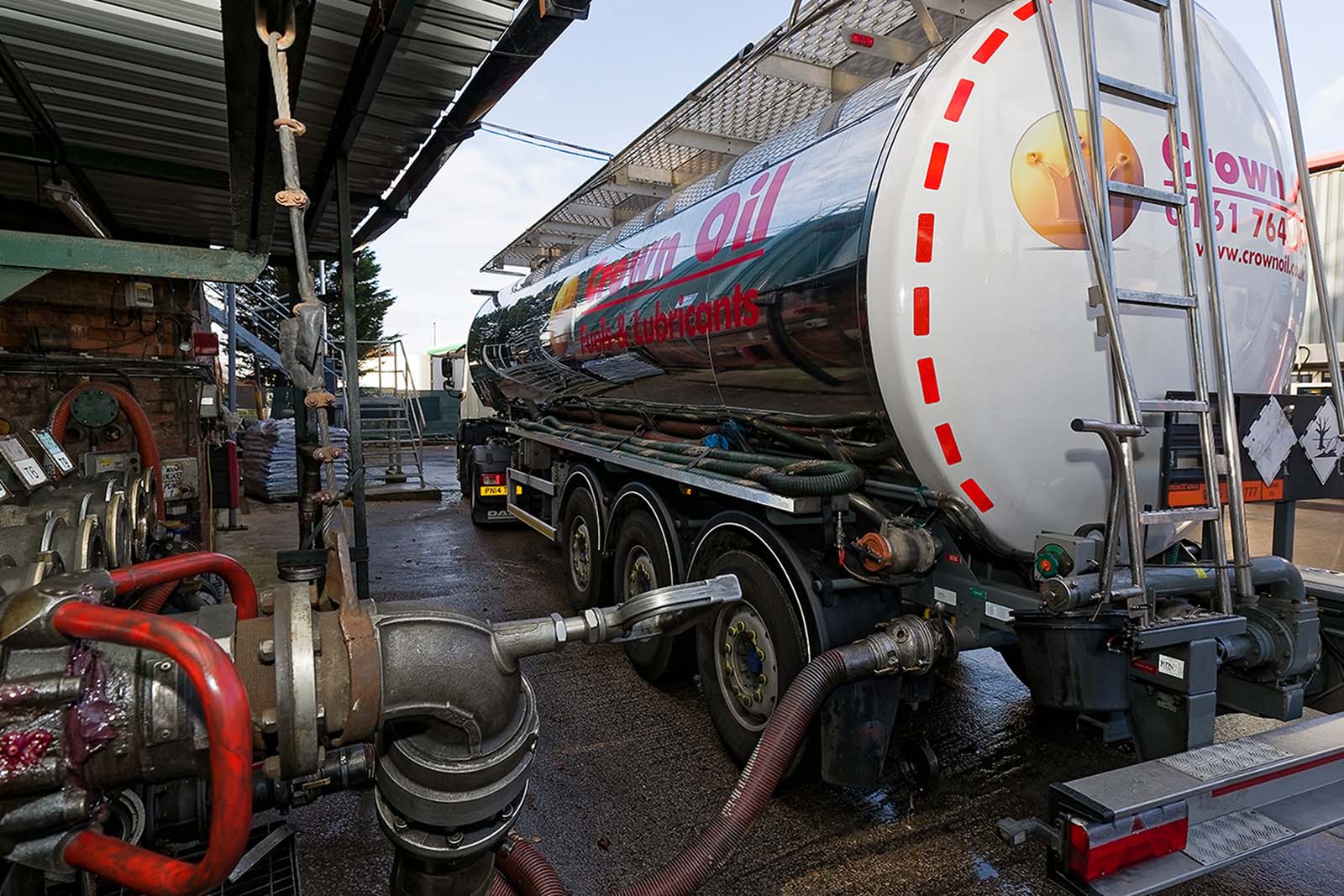

Discover all there is to now about our Fuel System Inspections
Curious about what’s included in our Fuel System Inspections? Explore our frequently asked questions to learn exactly what our planned preventative maintenance service involves – and how it can benefit your organisation.
If you still have unanswered questions or you’d like to book an FSI, please give our expert team a call on 0330 123 3399 – they’ll be more than happy to help!
What is a Fuel System Inspection (FSI)?
A Fuel System Inspection (FSI) is a comprehensive, proactive service designed to check the integrity and operational efficiency of your entire fuel infrastructure. This typically involves a detailed, multi-point assessment to safeguard your tanks, pipework and fittings, ensuring compliance and preventing costly failures.
Why is an annual Fuel System Inspection necessary?
Regular inspections are essential for several reasons:
- Prevent downtime: They help identify small defects (like corrosion, blocked filters or minor leaks) early before they escalate into large, disruptive and costly failures that interrupt your operations
- Ensure compliance: As a fuel user, you have legal and environmental responsibilities. Regular inspections help ensure your fuel infrastructure is maintained to meet environmental regulations and safety standards, helping you avoid large fines from bodies like the Environmental Agency
- Preserve assets: Inspection and preventative maintenance extend the lifespan of your tanks and equipment, helping to maintain fuel quality by preventing degradation and contamination
How often should fuel systems be inspected?
We recommend having an annual Fuel System Inspection to provide complete peace of mind and protection of your valuable assets.
What is included in our Fuel System Inspections?
Our comprehensive inspections involve a 60-point suite of checks of your fuel storage system. This includes:
- Visual inspection: Highly qualified engineers visually inspect the fuel supply lines, return lines, filters and fittings for signs of wear or leaks
- Fuel sampling: Technicians carry out fuel sampling to identify any defects or contamination within the fuel itself
- Detailed reporting: Following the inspection, you’ll receive a detailed site report providing a complete overview of your current installation, along with recommendations and any compliance issues that were identified
Is a Fuel System Inspection legally required?
While not a legal requirement, fuel users are legally obliged to ensure their fuel infrastructure is maintained according to environmental regulations and safety standards. Regular inspections are a key part of maintaining this compliance as they enable you to address potential pitfalls before a breach of regulations occurs.
What are the signs of underlying fuel system issues?
Fuel system failures can manifest in various ways, some of which are often overlooked. Common symptoms include:
- Clogged fuel filters or injectors
- Cloudy or degraded appearance of the fuel
- Corroded or rusting tanks
- Decreased fuel efficiency
- Bad odour (indicating fuel leaks)
- Visible fuel leaks or spills
- Clogged or leaking fuel lines
Will an FSI interrupt my business operations?
Our Fuel System Inspections are carried out with minimal disruption. Most checks are visual or performed via sampling, and we aim to work safely without requiring system shutdowns whenever possible.
What happens if defects are found during the inspection?
If the inspection flags any concerns or defects, you’ll receive a full report with suggested corrective actions. This report may recommend further investigation using non-destructive testing (NDT) techniques to diagnose integrity and structural issues. We can then help you plan and execute the necessary repairs or diagnostics.
What are the potential costs of neglecting my fuel system?
The consequences of a poorly maintained fuel system are significant. If your tank is compromised and fuel leaks, the reactive costs are huge. These can include:
- Expensive cleanup and rectification costs
- Replacement of the tank and lost fuel
- Large fines from regulatory bodies
- Voiding insurance premiums
- Damage to your business reputation – regular planned preventative maintenance is the key to avoiding these high reactive costs
Who should have a Fuel System Inspection?
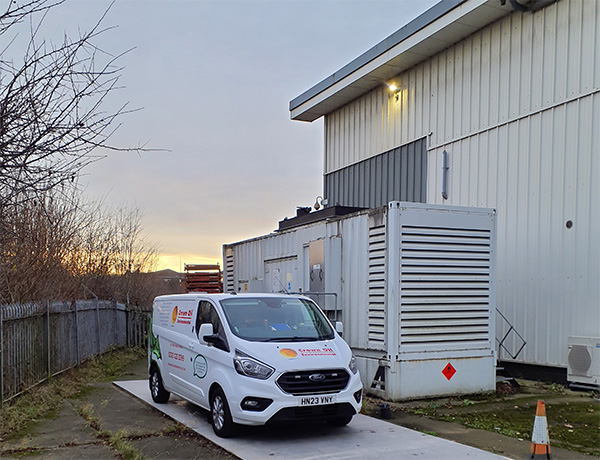
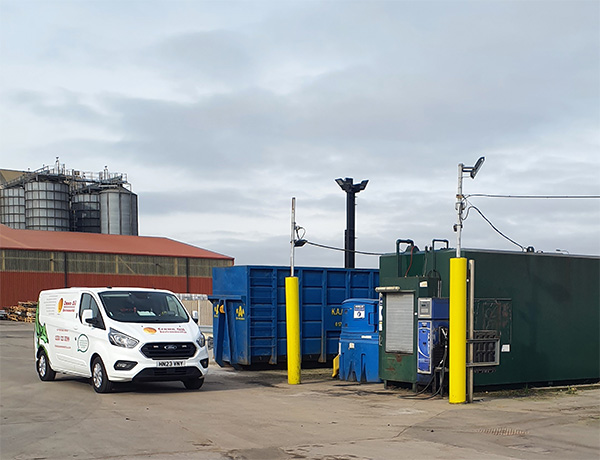
Any organisation that stores or uses fuel should have regular inspections. This includes commercial, industrial, agricultural, construction, transport, healthcare and emergency service sites, as well as standby generator installations.
What types of fuel systems can be inspected?
Fuel System Inspections can be carried out on diesel, gas oil, HVO and other fuel storage systems, including above-ground and below-ground tanks, day tanks, bulk storage tanks and associated pipework and fittings.
Who carries out the Fuel System Inspection?
All inspections are completed by our highly trained and experienced engineers with specialist knowledge of fuel storage systems, environmental compliance and industry best practice. They have vast experience working with a range of sectors and hazardous sites.
How long does a Fuel System Inspection take?
The duration of an inspection depends on the size and complexity of your installation. Most inspections can be completed within a few hours, with minimal disruption to your operations.
Will I receive documentation after the inspection?
Yes. Following the inspection, you will receive a comprehensive written report detailing findings, photographs where relevant, compliance observations and clear recommendations for any remedial actions required.
Can inspections be carried out at multiple sites?
Yes. We can provide Fuel System Inspections across single or multiple locations and offer planned inspection programmes to help organisations manage compliance across their entire estate.
Does a Fuel System Inspection include environmental risk assessment?
Yes. Inspections assess environmental risk factors such as secondary containment, spill protection, drainage and potential pollution pathways to help reduce the risk of environmental incidents.
What is the difference between a Fuel System Inspection and tank testing?
A Fuel System Inspection is a preventative, visual and operational assessment of the entire fuel system. Tank testing, including non-destructive testing (NDT), is a more detailed diagnostic service typically recommended if potential integrity issues are identified during an inspection and looks at just the storage tank.
Can a Fuel System Inspection improve fuel quality?
By identifying contamination, water ingress or degradation early, our Fuel System Inspections will then recommend what steps you can take to help maintain fuel quality and reduce the risk of equipment damage or operational inefficiencies.
Can Fuel System Inspections be scheduled as part of a maintenance programme?
Absolutely. Annual Fuel System Inspections can be built into a planned preventative maintenance schedule, providing long-term protection, cost control and peace of mind.
How do I arrange a Fuel System Inspection?
Simply contact our team to discuss your site requirements. We’ll arrange a convenient inspection date and tailor the service to suit your fuel system and operational needs.
Prevention is better than a cure
Making oil analysis part of your predictive maintenance strategy can identify engine killers before they cause a major problem, saving you thousands of pounds a year in repair and replacement costs. Without a reliable fuel analysis program, you may never know when intruders like dirt and water threaten your engine fuel.
Ready to learn more about our fuel testing and analysis services? Call our expert team today on 0330 123 3399 to find out how we can help
Fuel Specialists Trusted for Over 75 Years
We guarantee all of our products and services. Our expert teams are the most experienced in the industry, and each individual is an expert in every aspect of their role.
We are passionate about providing excellent service at all times and our commitment to customer care makes us the perfect choice for your environmental service requirements.
 Stay compliant
 Save money
 Avoid downtime
 Reduce risk
 Uphold reputation
For help and advice relating to our fuel system inspections,
give our expert team a call today on 0330 123 3399